

Retreats and Deep Dives

  • Home
  • Retreats and Deep Dives

Retreat Activities

A trauma-informed, first-responder-friendly program designed to calm the body, clear the mind, and create a plan you can actually live with. All practices are optional and scaled for every body.

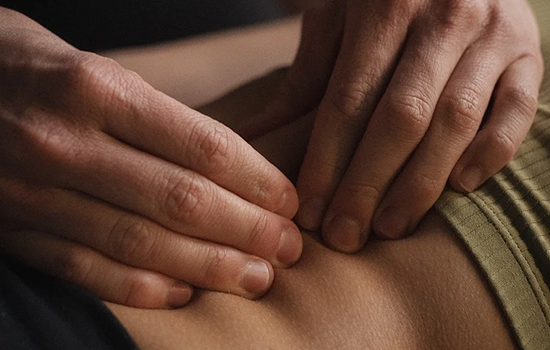
Myofascial Release

Guided self-massage using massage balls/rollers to relieve stuck patterns (neck/shoulders, hips, low back). Clear cues for pressure, pacing, and safety so you always stay within your window of tolerance.
Creative Expression Studio

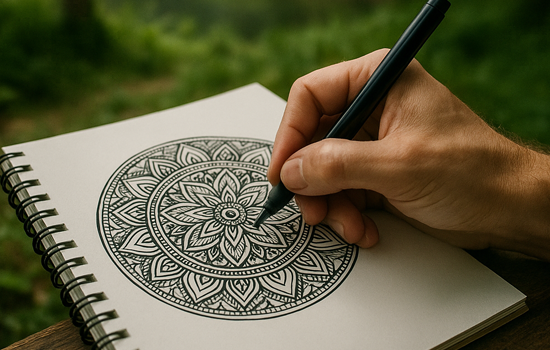
Low-stakes art processes (mandalas, collage, charcoal, watercolor) to externalize emotion and build meaning—no “art skills” required. Prompts are optional; sharing is invitational, never forced.
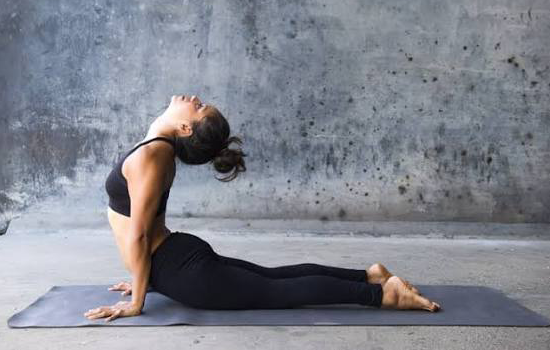
Light Yoga and Mobility

Gentle, breath-led movement to reduce tension, improve joint mobility, and re-introduce safe connection with your body. Think floor-based flows, supported shapes, and down-regulating finishes.

Somatic Practices

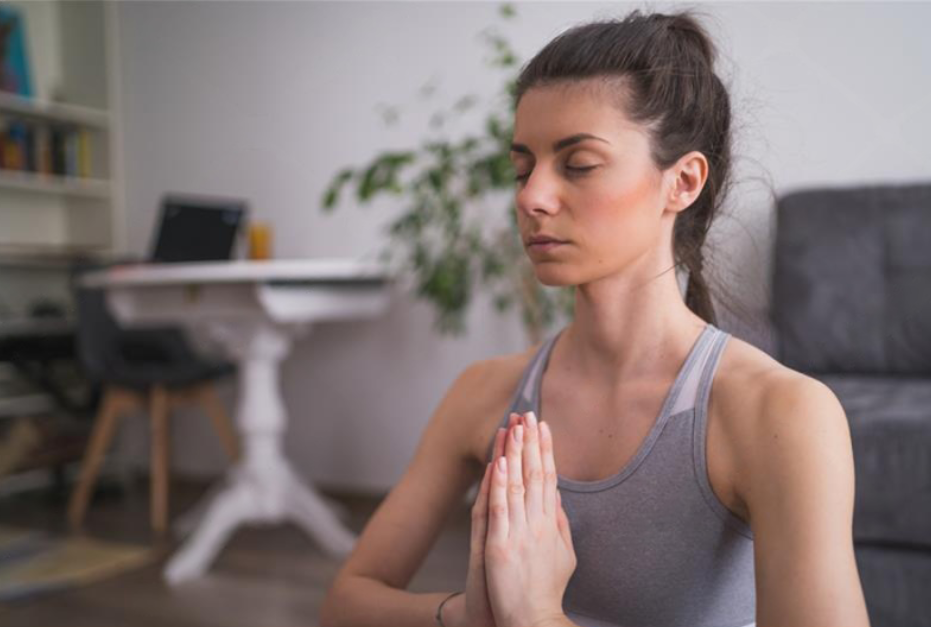
Practical nervous-system skills you can use anywhere: orienting, grounding, pendulation/titration, vagal toning (breath, hum, gaze), and micro-resets you can do in under two minutes.
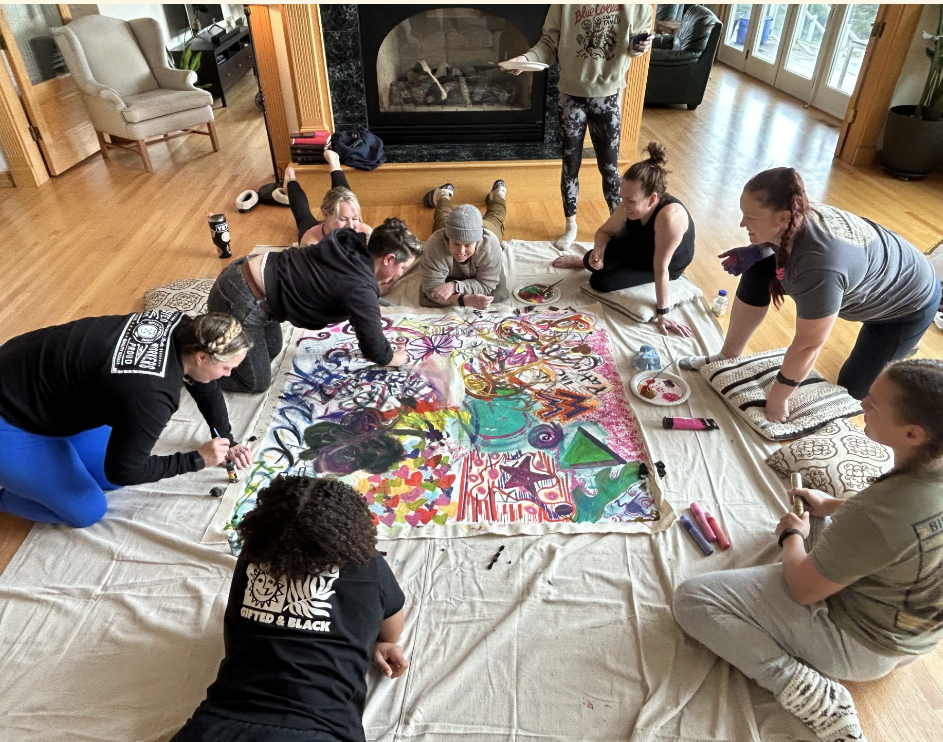
Track 1: Creative Art Labs, No art skills required

Hands-on sessions that translate emotions into motion—lowering nervous-system load while building meaning and team cohesion.
Creative Art Labs + Nervous System Training for a safer, more productive workforce
Mandalas for Focus: color + breath cycles to quiet rumination
Collage for Story: values, boundaries, and strengths mapped visually
Watercolor for “Letting Go”: practice flexibility, pacing, and patience
Clay / Kinesthetic Build: model stress cycles and “what support looks like”
Team Mosaic: small pieces → one shared mural (great for cross-department buy-in)
What people learn:
Simple regulation while creating (orienting, breath pacing, movement breaks)
How to name and normalize stress states without shame
Translating insights into 1–2 micro-habits for the workday
Hands-on sessions that translate emotions into motion—lowering nervous-system load while building meaning and team cohesion.

Track 2: Nervous System Training

“Window of Tolerance” skills for calmer meetings, safer conflict, and faster recovery from stress.

Core modules (choose 2–4):
Stress 101 & the Window of Tolerance (fast, friendly science for non-clinicians)
Down-Shift in Two Minutes: breath, gaze, and posture resets you can do at your desk
Up-Shift Without Burnout: energizing practices that don’t spike anxiety
Psychological Safety in Practice: language for check-ins, pauses, and consent
Boundaries & Micro-Transitions: start/stop rituals that actually stick
From Trigger to Tool: spotting early cues and choosing the next right step
Team takeaways: pocket cards, scripts for meetings, and a 30-day micro-practice plan.